80 mg
Limited human evidence
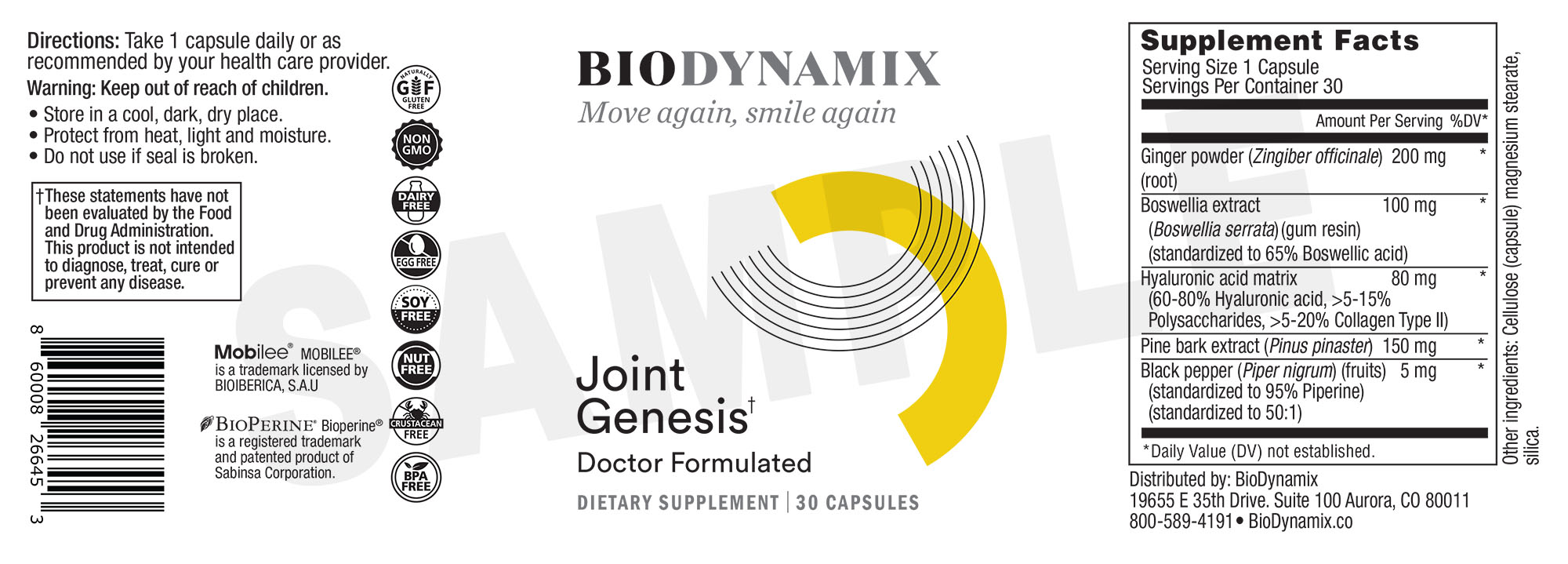
Mobilee®hyaluronic acid matrix, rooster-comb derived
One small randomized, placebo-controlled human trial (n=40) tested this exact 80 mg dose over 90 days, delivered in yogurt rather than a capsule. It found improved knee-extensor muscle strength (p<0.05 for total work and power) but no significant change in the Lequesne pain/disability score, and the headline strength measure narrowly missed standard significance (p=0.0582)2. A related company-sponsored meta-analysis of two small trials (148 subjects total) reportedly found improved knee bending and reduced synovial effusion, though we could not access the full underlying data to verify its methodology independently.
150 mg
Moderate evidence, different population
Pine Bark ExtractPinus pinaster
A 2008 randomized, double-blind trial of the trademarked ingredient Pycnogenol® (100 mg/day) in diagnosed knee osteoarthritis patients found improved WOMAC scores and pain ratings versus placebo3. Two caveats: that trial enrolled people with diagnosed OA, not healthy adults with mild stiffness, and Joint Genesis's label lists generic "Pine Bark Extract (Pinus pinaster)" rather than the trademarked Pycnogenol® ingredient — these may or may not be equivalent without a certificate of analysis.
100 mg
Moderate evidence, lower dose
Boswellia Extract65% boswellic acid
The classic trial on Boswellia serrata extract for knee OA used roughly 333 mg three times daily (about 999 mg/day total) and found improved pain and swelling versus placebo over 8 weeks4. Joint Genesis's 100 mg dose is far below that. Some newer, enhanced-absorption patented Boswellia extracts have shown effects at lower doses, but the label doesn't specify which type of extract this is, so it's not clear which body of research applies.
200 mg
Evidence doesn't match this form
Ginger Powderroot
The main clinical trial behind "ginger helps knee osteoarthritis" used a highly concentrated, standardized dual-species extract (EV.EXT77, from Zingiber officinale and Alpinia galanga), not plain dried ginger root powder, and found a statistically significant reduction in knee pain on standing over 6 weeks5. Joint Genesis lists plain ginger root powder at 200 mg — a much less concentrated form, so this trial's results don't directly transfer to what's in the capsule.
5 mg
Evidence is for a different compound
BioPerine®piperine, black pepper extract
Piperine's best-known absorption study showed it increased curcumin's bioavailability in humans, in a small 1998 industry-funded trial that hasn't been widely replicated for that specific claim6. That evidence is about curcumin (and separately, beta-carotene and CoQ10) — we found no published research testing whether piperine improves the absorption of hyaluronic acid, boswellic acids, or ginger compounds specifically, which are the other ingredients here.
Always check the current label on the actual checkout page — supplement formulas can be updated by the manufacturer at any time, and we can't guarantee the label we found is the exact one currently shipping.